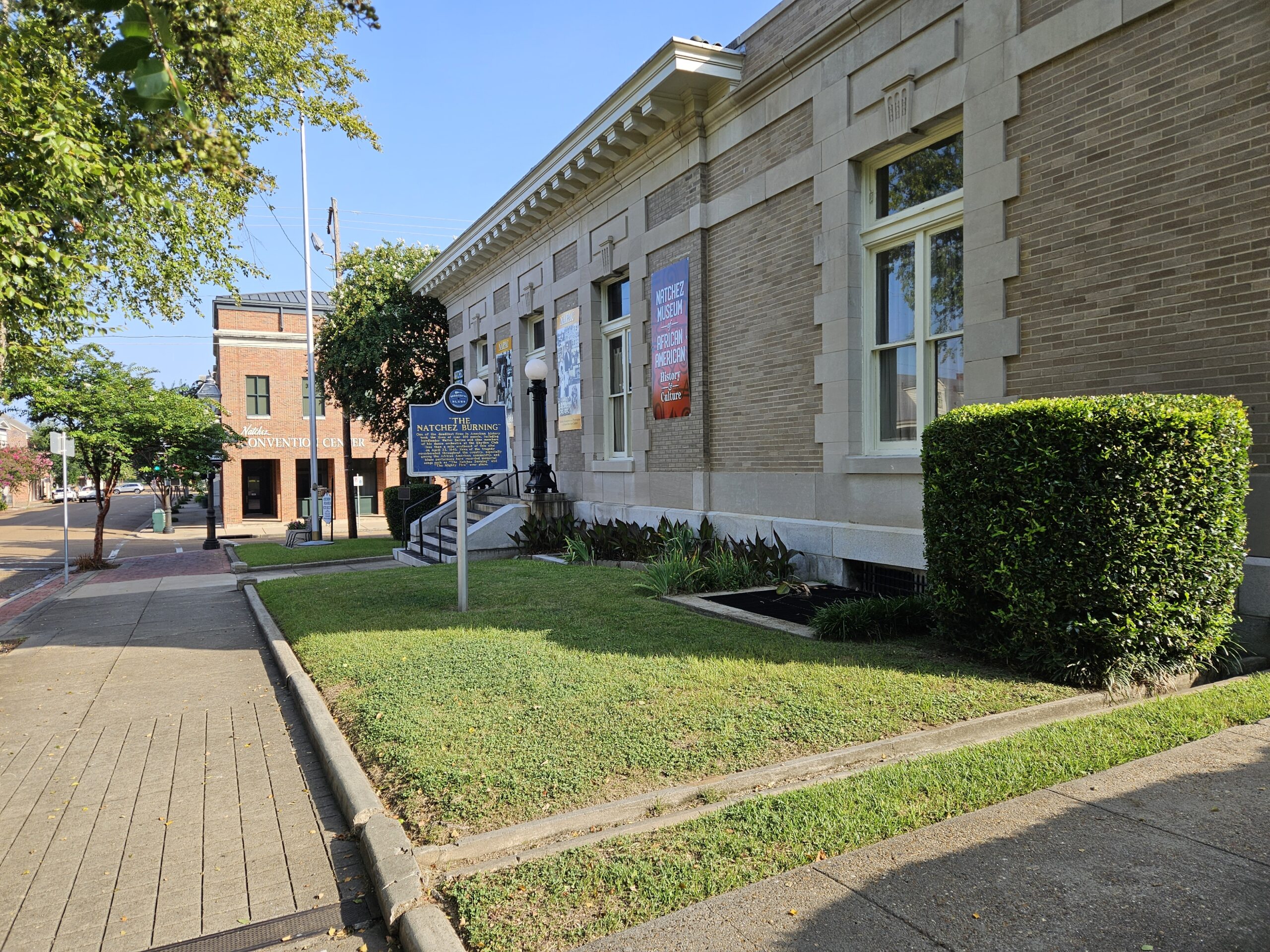


Black history is not just a story of the past—it is a living, breathing narrative that continues to shape communities, inspire generations, and deepen our understanding of American identity. In Natchez, Mississippi, one of the most historically rich cities in the South, the Natchez Museum of African American Culture stands as a powerful guardian of that story. For visitors, educators, families, and cultural enthusiasts, the museum offers an immersive journey into the triumphs, struggles, and enduring contributions of African Americans in Natchez and beyond.
A Cultural Treasure Rooted in Natchez History
Located in a city known for its deep historical roots, the Natchez Museum of African American Culture preserves and presents the stories that traditional narratives often overlook. The museum highlights the lives of enslaved people, entrepreneurs, educators, artists, civic leaders, and everyday citizens whose impact shaped the region.
Through carefully curated exhibits, artifacts, photographs, and oral histories, the museum provides a fuller, more honest picture of Natchez’s past—one that honors resilience, creativity, and the pursuit of freedom.
Why Black History Matters in Natchez
Natchez has one of the oldest African American communities in the United States. From the era of enslavement to Reconstruction, from the Civil Rights Movement to modern cultural achievements, African Americans have played a central role in shaping the city’s identity.
The museum helps visitors understand:
• The legacy of enslaved Africans who built much of Natchez’s early economy
• The rise of Black-owned businesses and community institutions
• The influence of African American leaders in politics, education, and the arts
• The cultural traditions—music, food, faith, and storytelling—that continue to thrive today
By presenting these stories, the museum ensures that Black history is not confined to a single month but celebrated year‑round.
Exhibits That Bring History to Life
The Natchez Museum of African American Culture offers a range of exhibits that appeal to visitors of all ages. While displays evolve over time, guests can expect to encounter:
• Historic documents and photographs that trace the evolution of African American life in Natchez
• Artifacts from local families and community leaders
• Civil Rights exhibits highlighting local activism and national connections
• Cultural showcases featuring music, art, and traditions unique to the region
Each exhibit is designed to educate, inspire, and spark meaningful conversations about identity, justice, and heritage.
A Hub for Education and Community Engagement
Beyond its exhibits, the museum serves as an educational resource for schools, churches, civic groups, and visitors from around the world. Programs often include:
• Guided tours
• Youth workshops
• Guest lectures
• Cultural celebrations
• Community storytelling events
These initiatives help ensure that younger generations understand the importance of Black history and feel connected to the legacy of those who came before them.
Supporting the Museum’s Mission
Preserving history requires community support. Visitors can contribute by:
• Touring the museum
• Donating to preservation efforts
• Attending special events
• Sharing the museum’s mission with others
Every contribution helps sustain a space where African American history is honored, protected, and shared with future generations.
Plan Your Visit