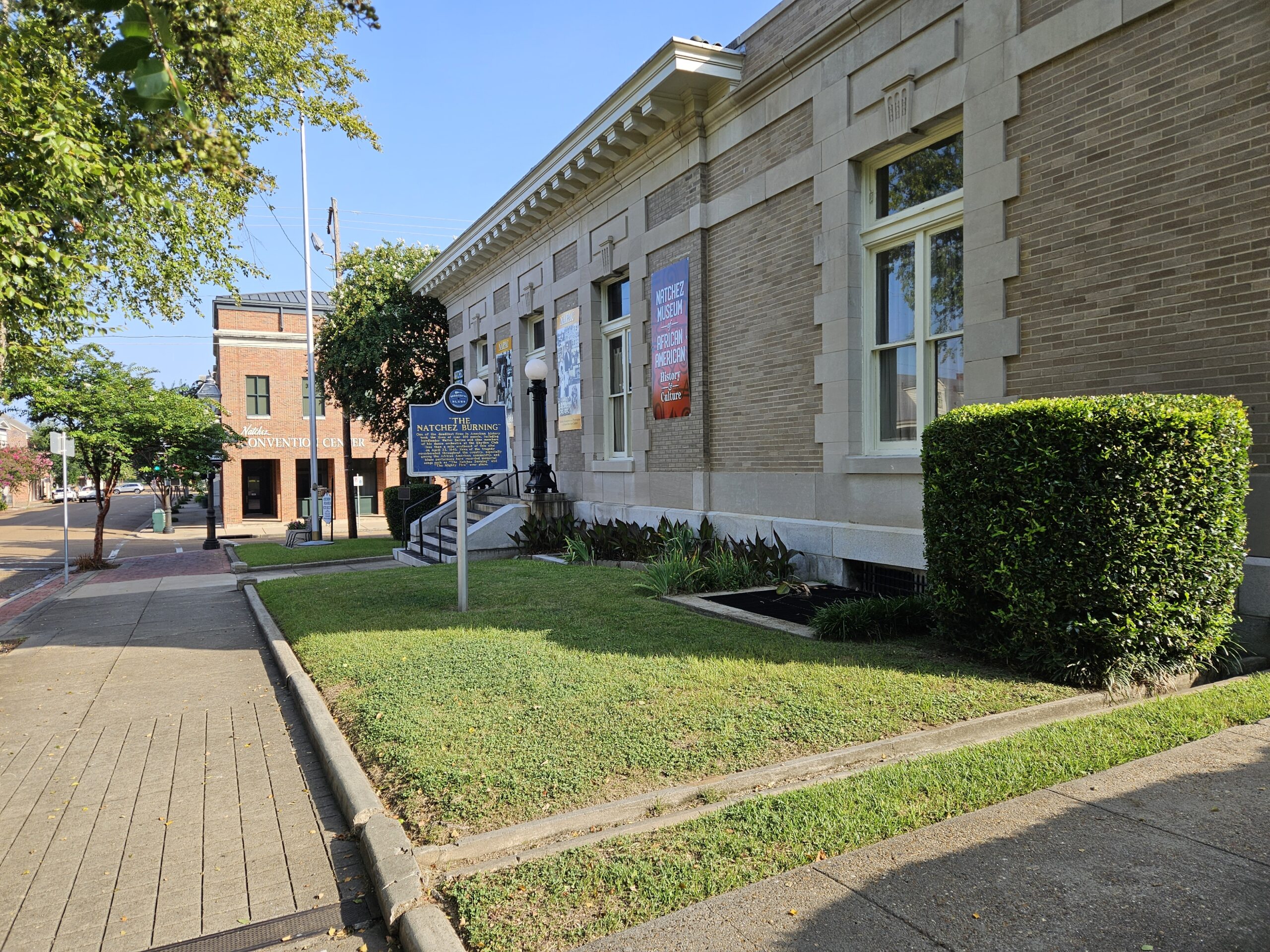


Natchez, Mississippi, is a city layered with beauty, contradiction, and memory. Its antebellum homes, riverfront sunsets, and centuries‑old streets draw thousands of visitors each year. But beneath the postcard charm lies a deeper, more complex story—one that has too often been overshadowed, minimized, or left untold.
To understand that story, you must sit down with Bobby L. Dennis, a lifelong Natchez resident, author, museum leader, and one of the most dedicated guardians of African American history in the region. A conversation with Dennis is not simply an interview—it is an immersion into the lived memory of a community whose contributions shaped Natchez long before the city became a tourist destination.
In this feature, we explore that conversation: the man, the mission, and the movement to preserve the African American legacy of Natchez.
The Keeper of Natchez’s Untold Stories
When you meet Bobby L. Dennis, you immediately sense the weight of responsibility he carries. His voice is steady, his words intentional, and his passion unmistakable. As the Executive Director of the Natchez Museum of African American History and Culture, Dennis has become a central figure in documenting, protecting, and sharing the stories that define Black Natchez.
His work is not theoretical or distant—it is personal. Dennis grew up surrounded by elders who lived through segregation, the Civil Rights Movement, and the long struggle for recognition. Their stories shaped him, and today he works tirelessly to ensure those voices are not lost to time.
One of his most impactful contributions is the publication of the African American History Trail in Natchez: A Self‑Guided Tour, a colorful, eight‑page booklet highlighting 27 historic African American sites across the city. The guide includes photographs, QR codes, and historical summaries that allow visitors to explore Natchez’s Black history at their own pace. According to local reporting, the trail was unveiled during a citywide ceremony marking the beginning of Black History Month, with Dennis playing a key role in its creation and launch.
This project is more than a brochure—it is a reclamation of space, memory, and narrative.
“We Must Tell the Whole Story”
During our conversation, Dennis returns again and again to one central idea: Natchez cannot understand itself without understanding its African American history.
For decades, the city’s tourism industry centered on antebellum homes—grand structures built on the labor of enslaved people. While these homes remain part of Natchez’s identity, Dennis emphasizes that they represent only one side of the story. The other side—the story of resilience, resistance, culture, and community—has long been marginalized.
Local historians and cultural leaders have echoed this sentiment, noting that Natchez’s prosperity was built on the backs of enslaved African Americans and that the city later became a battleground during the Civil Rights Movement.
Dennis’s work directly confronts this imbalance. Through museum exhibits, public programs, publications, and community partnerships, he ensures that the African American narrative is not an add‑on—it is central.
A Legacy Rooted in Courage and Community
One of the most compelling parts of speaking with Dennis is hearing him describe the people who shaped Natchez’s Black history. He speaks of them not as distant figures, but as neighbors, mentors, and family.
He highlights the activists who stood against racial terror during the 1960s, the educators who built schools when resources were scarce, the musicians and artists who shaped the city’s cultural identity, and the everyday citizens whose quiet strength held the community together.
His book, The African American Journey in Natchez: Through the Lens of One Black Citizen, captures this sweeping history—from the arrival of enslaved Africans to the triumphs and trials of the Civil Rights era. The work chronicles centuries of resilience, political empowerment, cultural innovation, and community leadership.
Dennis’s storytelling is not simply historical—it is restorative. It gives voice to those who were denied one. It honors those who endured. It celebrates those who built.
The Museum as a Living Archive
The Natchez Museum of African American History and Culture is more than a building—it is a living archive of memory, identity, and truth. Under Dennis’s leadership, the museum has expanded its reach, modernized its exhibits, and strengthened its role as a community anchor.
Visitors encounter stories of:
- Enslaved people who resisted oppression
- Black soldiers who fought for freedom
- Civil Rights leaders who risked everything
- Local families who preserved traditions across generations
Dennis views the museum as a place where history breathes. It is not static. It evolves as new stories emerge, new research is uncovered, and new generations seek to understand their heritage.
The Power of Place: Why Natchez Matters
Natchez is one of the oldest cities in Mississippi, founded in 1716. Its history is intertwined with colonial expansion, the rise of the cotton economy, and the brutal realities of slavery. But it is also a place where African Americans built churches, businesses, schools, and civic organizations that shaped the city’s identity.
During the Civil Rights Movement, Natchez became a center of both activism and violent resistance. National Guard troops were deployed to protect African American residents from attacks by white supremacist groups.
This duality—beauty and brutality, progress and pain—is what makes Natchez such a powerful site of memory.
Dennis understands this deeply. His work ensures that visitors and residents alike confront the full truth of the city’s past.
Technology Meets Tradition: The Rise of Digital Storytelling
One of the most innovative aspects of Dennis’s work is his embrace of digital tools to expand access to history. The African American History Trail booklet includes QR codes that link to additional online resources, allowing users to explore deeper narratives, photographs, and archival materials.
This blend of physical and digital storytelling makes history accessible to younger audiences, tourists, educators, and researchers around the world.
It also ensures that the stories of Black Natchez are not confined to a single building—they live online, in classrooms, and in the hands of anyone who scans a code.
A Conversation That Becomes a Call to Action
Speaking with Bobby L. Dennis is not a passive experience. It is a call to action.
He challenges listeners to:
- Learn the full history of the places they call home
- Honor the elders who carried stories through generations
- Support institutions that preserve cultural memory
- Teach young people the truth, not a sanitized version of it
- Recognize the humanity of those whose stories were erased
Dennis believes that history is not simply something we inherit—it is something we shape. And in Natchez, shaping that history means confronting the past with honesty and courage.
Why His Work Matters Now More Than Ever
In a time when debates about historical memory, monuments, and education are intensifying across the United States, Dennis’s work stands as a model of clarity and purpose.
He does not seek to erase history—he seeks to complete it.
He does not aim to divide—he aims to illuminate.
He does not rewrite the past—he restores it.
By preserving African American history in Natchez, Dennis is preserving American history itself. The stories he protects are not regional—they are national. They speak to the broader struggle for freedom, dignity, and justice that defines the American experience.
The Future of Black History in Natchez
As our conversation draws to a close, Dennis reflects on the future. He envisions:
- Expanded museum exhibits
- More digital archives
- Additional historical markers
- New books and educational materials
- Stronger partnerships with schools and universities
- Greater national recognition of Natchez’s African American legacy
But above all, he hopes that the next generation will continue the work.
“History lives only if we keep telling it,” he says.
And in Natchez, thanks to Bobby L. Dennis, that history is alive, powerful, and impossible to ignore.
Conclusion: A Voice That Carries a City’s Memory
A conversation with Bobby L. Dennis is a journey—through time, through struggle, through triumph, and through the heart of Natchez itself. His work ensures that African American history is not a footnote but a foundation. It ensures that the people who built, defended, and defined Natchez are honored with the dignity they deserve.
Most importantly, it ensures that the next generation inherits not silence, but truth.
And in that truth, they will find strength.